Healthcare furniture is essential for creating safe, hygienic, and comfortable environments in clinics and hospitals. Designed specifically for medical settings, it supports patient care, improves staff efficiency, and withstands the demands of daily healthcare operations. Leading KSA furniture stores offer a wide range of healthcare furniture solutions for different medical facilities.
This blog covers the essential types of healthcare furniture, important features to consider, common materials used, and practical tips for choosing the right furniture for clinics and hospitals.
What Is Healthcare Furniture?
Healthcare furniture refers to furniture specifically designed for use in clinics, hospitals, diagnostic centres, and other medical facilities. Unlike standard office or residential furniture, it is built to meet the unique demands of healthcare environments, ensuring durability, hygiene, patient comfort, and staff efficiency. These specialised furnishings support daily medical procedures while helping maintain a safe and clean environment.
Healthcare furniture is designed with features such as:
- Durable construction to withstand frequent daily use.
- Easy-to-clean surfaces that support proper hygiene and infection control.
- Ergonomic designs that improve comfort for both patients and healthcare professionals.
- Infection-control-friendly materials that resist moisture, stains, and bacteria.
- Safe and comfortable designs with rounded edges, stable construction, and patient-friendly features.
Essential Healthcare Furniture for Clinics and Hospitals
Healthcare facilities rely on a variety of furniture to support patient care, improve workflow, and maintain hygiene standards. From consultation rooms to patient wards and emergency departments, each piece of furniture serves a specific purpose in ensuring efficient healthcare delivery.
Consultation and Examination Furniture
Consultation rooms are the first point of care for most patients, making functional and ergonomic furniture essential. Medical examination tables provide a stable surface for examinations and minor procedures, while doctor’s stools and clinical chairs offer comfort and flexibility for healthcare professionals during long consultations.
Patient Care Furniture
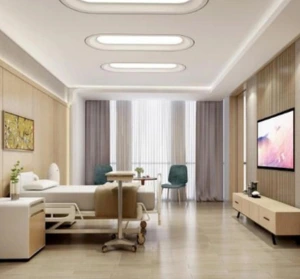
Patient rooms require furniture that promotes comfort and supports recovery. Hospital beds with adjustable features improve patient positioning, bedside cabinets keep personal items within easy reach, overbed tables provide a convenient surface for meals and activities, and patient recliners offer additional comfort during treatments such as dialysis or chemotherapy.
Mobility and Emergency Furniture
Quick and safe patient movement is critical in healthcare environments. Patient stretchers and transfer trolleys enable efficient transportation between departments, while medical trolleys keep essential equipment organised and easily accessible. Crash carts are strategically placed to provide immediate access to life-saving medications and emergency supplies during critical situations.
Reception and Waiting Area Furniture
A well-designed reception area creates a positive first impression while ensuring patient comfort. Reception desks help streamline registration and administrative tasks, and comfortable waiting-area chairs and visitor sofas provide a welcoming space for patients and accompanying family members.
Storage Furniture
Efficient storage is essential for maintaining an organised healthcare facility. Medicine cabinets, instrument cabinets, and medical storage units help protect supplies from contamination, improve accessibility, and support smooth day-to-day operations.
Benefits of Investing in Quality Healthcare Furniture
Investing in high-quality healthcare furniture offers long-term advantages for both patients and healthcare providers. Well-designed medical furniture enhances daily operations, improves patient experiences, and helps healthcare facilities maintain high standards of safety and hygiene. Some of the key benefits include:
- Improved patient comfort and satisfaction by providing ergonomic and supportive furniture for examinations, treatments, and recovery.
- Better infection control through easy-to-clean, medical-grade materials that support proper hygiene practices.
- Increased staff productivity with ergonomic furniture that reduces fatigue and improves workflow efficiency.
- Longer furniture lifespan due to durable construction that withstands continuous use in demanding healthcare environments.
- Reduced maintenance costs by minimising repairs and replacements over time.
- Professional appearance that creates a welcoming environment and builds confidence among patients and visitors.
Features to Consider When Buying Healthcare Furniture
Selecting the right healthcare furniture involves more than choosing products that look good. The furniture should meet the daily demands of medical environments while ensuring patient safety, staff comfort, and long-term durability. Here are some of the key features to consider before making a purchase.
Hygiene and Infection Control
Healthcare furniture should have non-porous, easy-to-clean surfaces that help prevent the spread of bacteria and infections. Furniture made from medical-grade materials can withstand regular cleaning and disinfection without compromising quality.
Durability
Since medical furniture is used continuously, it should be built with heavy-duty materials that can withstand daily wear and tear. Durable furniture offers a longer service life and reduces replacement costs.
Patient Comfort
Comfortable furniture improves the patient experience during examinations, treatments, and recovery. Features such as adjustable designs and cushioned surfaces help provide better support for patients of all ages.
Ergonomic Design
Ergonomic furniture helps healthcare professionals work more efficiently by reducing physical strain during long shifts. Properly designed chairs, stools, and workstations also contribute to a smoother workflow.
Safety
Safety is essential in every healthcare setting. Look for furniture with rounded edges, stable construction, secure locking mechanisms, and reliable weight capacity to minimise the risk of accidents.
Mobility
Many healthcare facilities require furniture that can be moved quickly between rooms or departments. Lockable castors allow smooth transportation while ensuring the furniture remains securely in place when needed.
Common Materials Used in Healthcare Furniture
The materials used in healthcare furniture play a crucial role in ensuring durability, hygiene, and long-term performance. Medical furniture is typically manufactured using materials that can withstand frequent cleaning, heavy use, and the demanding conditions of healthcare environments.
Stainless Steel
Stainless steel is widely used in healthcare furniture due to its durability, corrosion resistance, and ease of sanitisation. It is commonly found in medical trolleys, instrument tables, and storage cabinets.
Powder-Coated Steel
Powder-coated steel provides excellent strength and a scratch-resistant finish, making it suitable for furniture that experiences daily use. It also offers added protection against wear and corrosion.
High-Pressure Laminate (HPL)
High-pressure laminate is commonly used for worktops, cabinets, and reception desks. It is moisture-resistant, easy to maintain, and available in various finishes to suit different healthcare settings.
Medical-Grade Vinyl
Medical-grade vinyl is often used to upholster examination tables, patient chairs, and recliners. It is comfortable, waterproof, and easy to disinfect, making it ideal for maintaining hygiene in medical environments.
Tips for Choosing a Reliable Healthcare Furniture Supplier
When comparing KSA furniture stores, look for suppliers that offer high-quality healthcare furniture, reliable services, and solutions tailored to the needs of clinics and hospitals.
- Wide product range to meet the needs of different healthcare departments.
- Experience with healthcare projects and supplying furniture for clinics and hospitals.
- Product quality and detailed specifications to ensure compliance with medical standards.
- Delivery across Saudi Arabia for timely and convenient installation.
- Professional installation services for proper setup and functionality.
- Warranty and after-sales support to protect your investment.
- Maintenance services and spare parts availability for long-term use.
- Compare quotations from multiple suppliers to find the best value without compromising quality.
Conclusion
Choosing the right healthcare furniture is essential for creating safe, efficient, and patient-friendly clinics and hospitals. High-quality furniture not only enhances patient comfort but also supports infection control, improves staff productivity, and offers long-lasting durability. Investing in furniture that is hygienic, ergonomic, and built for medical environments contributes to better healthcare delivery and operational efficiency.
Before making a purchase, compare reputable KSA furniture stores to ensure you receive healthcare furniture that meets your facility’s requirements for quality, functionality, and long-term value. Request a quotation or consult a trusted supplier to find the right solutions for your healthcare facility.